
DIY vs Hiring a Contractor: When Each Makes Sense (2026)
Serving Yonkers and all of Westchester County

Deciding what to DIY and what to hire out is one of the first real decisions in any renovation. Here’s a practical breakdown of where each approach actually makes sense.
Where DIY Makes Sense
DIY works best for cosmetic, surface-level changes that are relatively forgiving of mistakes:
- Painting walls, trim, or cabinets
- Swapping cabinet or door hardware
- Installing shelving
- Basic landscaping
- Light fixture replacement (for straightforward swaps, not new circuits)
Painting a living room yourself, for example, typically costs $200 to $400 in supplies compared to $1,500 to $3,000 to hire a crew, a meaningful savings for a project most homeowners can reasonably tackle themselves.
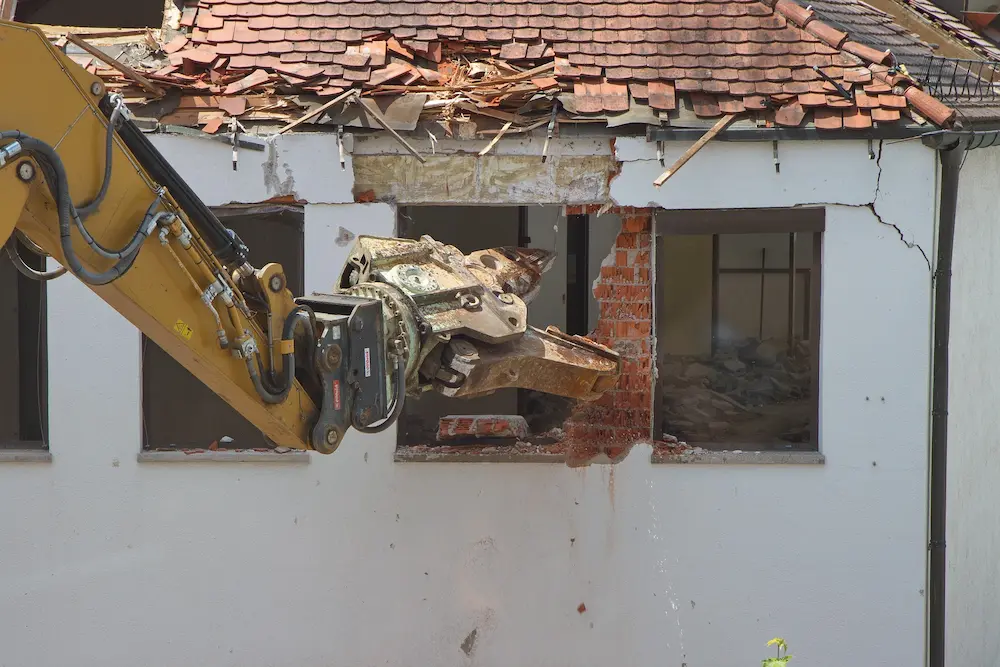
Where to Always Hire a Professional
Anything involving a home’s structural elements, systems, or work requiring a permit should go to a licensed professional:
- Structural changes (removing or modifying walls)
- Electrical work
- Plumbing
- Roofing
- Any project requiring a building permit
Anything touching the “bones” of the house, foundation, framing, HVAC, plumbing, and electrical, carries real safety and code-compliance risk if done incorrectly, on top of the practical problem that unpermitted work can create real issues when you go to sell.
The Real Cost of DIY Going Wrong
DIY remodeling can save real money, sometimes a substantial percentage of total project cost depending on scope, but it comes with real risk. About 70% of homeowners report experiencing problems with a DIY project, and roughly 1 in 4 end up hiring a professional to fix or complete the work anyway, which often costs more in total than hiring a professional from the start would have. Professional contractors also typically complete projects 2 to 3 times faster and deliver work backed by warranty and code compliance, both of which have real value beyond the visible finish.
A Hybrid Approach
You don’t have to choose entirely DIY or entirely professional for a whole renovation. A common middle ground is doing demolition or prep work yourself, which is generally low-skill and low-risk, while hiring professionals for the technical installation work that follows. This can meaningfully reduce labor cost on a project like a kitchen renovation or bathroom renovation without taking on the risk of DIY-ing the plumbing, electrical, or structural work.
Questions to Ask Yourself Before DIYing
- Does this project require a permit? If yes, it likely needs a licensed professional regardless of your skill level.
- What happens if I make a mistake? Cosmetic mistakes are cheap to fix. Structural or system mistakes can be expensive and dangerous.
- Do I have the actual time? DIY projects often take significantly longer than professional timelines, which matters if you’re living without a functional kitchen or bathroom in the meantime.
- Am I comfortable with the tools and safety requirements involved?
DIY and Older Westchester Homes
Older homes, common throughout Westchester towns like Bronxville, Tarrytown, and Chappaqua, add an extra layer of risk to DIY projects. Outdated wiring, old plumbing, and construction methods that don’t match modern building codes are more likely to surface once you start a project, and DIY renovators are less equipped to identify and safely handle these issues than an experienced contractor who works with this housing stock regularly. If your home is several decades old or more, it’s worth being more conservative about what you take on yourself.
Permits and DIY Work
Permit requirements don’t disappear just because you’re doing the work yourself. If a project requires a permit, that’s true whether a homeowner or a contractor is doing the work, and unpermitted work, DIY or otherwise, can create real problems when you go to sell your home or file an insurance claim. Confirm permit requirements before starting any DIY project, not just contractor-led ones.
Getting Started
Whether you’re planning a fully professional renovation or a hybrid approach, an honest assessment of what’s realistic to DIY versus what needs a professional protects both your budget and your home’s safety and resale value.
Not sure what to DIY and what to hire out?
Reach out for a free, no-obligation consultation. We’ll give you an honest assessment of your project, no pressure either way.