
Bathroom Renovation in Westchester County, NY: Costs, Ideas & Finding the Right Contractor in 2026
Most Westchester homeowners have a bathroom they’ve been quietly tolerating for years. The tile is dated, the vanity is the wrong size, the exhaust fan sounds like a lawnmower, and the shower hasn’t been updated since the previous owners were in it. It’s functional technically, but it’s not what anyone would choose. If that describes a bathroom in your home, you’re not alone, and the fix is more straightforward than most people assume.
Bathroom renovation in Westchester County is one of the most active project categories in the region right now, and for good reason. The county’s housing stock skews old; a large share of homes were built between 1940 and 1985, and bathrooms in those homes rarely received the same investment as kitchens over the decades. The gap between what those bathrooms look like and what buyers and residents expect in 2026 is wide enough that renovation makes both financial and practical sense.
This guide covers what bathroom renovation actually costs across Westchester, what drives those costs up or down, what to expect from the process, and how to find a contractor who will deliver the result you’re paying for.
What “Bathroom Renovation” Actually Means in Westchester County
The term gets used loosely, and that looseness creates confusion when you’re trying to budget or get bids from contractors.
A cosmetic refresh updates surfaces without touching plumbing or laying new tile, new vanity, new fixtures, new mirror, and lighting. The toilet stays where it is. The shower drain doesn’t move. This type of work is faster, less disruptive, and significantly cheaper than a full renovation, but it’s limited by the existing layout and plumbing configuration.
A full bathroom renovation reconfigures the space. Moving the toilet, relocating the shower, expanding into an adjacent closet, converting a tub-shower combo into a walk-in shower, these changes involve opening walls, moving supply and drain lines, and often require structural work. Permits are required. The result can be transformative, but the process is more involved, and the cost reflects it.
A primary suite buildout is the most comprehensive version, expanding an existing bathroom or combining a bedroom and bath footprint to create a true primary suite with a walk-in shower, soaking tub, double vanity, heated floors, and custom tile work. In Scarsdale and Bronxville, this type of project is increasingly common as homeowners invest in the rooms they use most.
Understanding which category fits your goals is the first step to getting accurate bids and setting a realistic budget.
Bathroom Renovation Costs in Westchester County: 2026 Breakdown
Westchester is not a cheap market for renovation labor or materials. Skilled tradespeople, plumbers, tile setters, and electricians command rates that reflect the cost of living and operating in the New York metro area. That said, the range within Westchester is meaningful, and where you live in the county affects what you should expect to pay.
2026 Cost Ranges by Town
| Project Type | Yonkers | White Plains | Scarsdale |
| Cosmetic refresh (no plumbing move) | $12,000 – $22,000 | $18,000 – $32,000 | $25,000 – $42,000 |
| Full bathroom renovation | $22,000 – $45,000 | $32,000 – $60,000 | $45,000 – $80,000 |
| Primary bath,mid-range | $35,000 – $60,000 | $50,000 – $85,000 | $65,000 – $110,000 |
| Primary bath, luxury | $60,000 – $95,000 | $80,000 – $130,000 | $100,000 – $175,000+ |
| Powder room renovation | $8,000 – $16,000 | $12,000 – $22,000 | $18,000 – $32,000 |
Add 10–15% contingency for homes built before 1980. Remediation costs (mold, lead paint, galvanized plumbing replacement) are separate line items not included in these ranges.
What Pushes Costs Higher
Plumbing relocation is the single biggest cost variable in bathroom renovation. Moving a toilet 18 inches requires cutting into the subfloor, rerouting the drain stack, and potentially opening the ceiling below if the home has finished space underneath. What looks like a minor layout change on a floor plan can add $4,000 to $12,000 to a project. If your existing plumbing positions work with your new design, keeping them in place delivers significant savings.
Tile selection and complexity matter more than most homeowners realize upfront. Large-format tile on a shower floor requires more precise substrate preparation and more skilled installation than standard mosaic tile. Custom patterns, herringbone, basketweave, and book-matched marble take longer to set and are less forgiving of error. The material cost difference between builder-grade tile and imported stone can be $15 to $80 per square foot, and that adds up quickly in a primary bath.
Discovered conditions in older Westchester homes are a consistent cost driver. Consider a homeowner renovating a 1955 Yonkers bathroom, a common scenario in the city’s older residential neighborhoods. Opening the walls reveals galvanized supply lines with severely reduced flow, cast-iron drain connections that need adapters for new PVC work, and evidence of slow moisture intrusion behind the original tile that requires subfloor repair before any new tile can be set. None of this was visible from the outside. The contingency budget exists precisely for these situations.
Permit fees and inspection timelines add to project cost and duration. In some Westchester municipalities, bathroom renovation permits require a plumbing permit, an electrical permit, and a building permit, each with its own fee and inspection requirement. Processing times vary by town.
What Keeps Costs Down
Keeping fixtures in their existing positions. Choosing materials that balance quality with practical pricing, a well-made domestic porcelain tile performs comparably to imported stone at a fraction of the cost. Completing all design decisions before demolition begins, so there are no mid-project changes that require rework. Sequencing a bathroom renovation alongside other planned work so trades can be mobilized efficiently.
Popular Bathroom Renovation Styles in Westchester in 2026
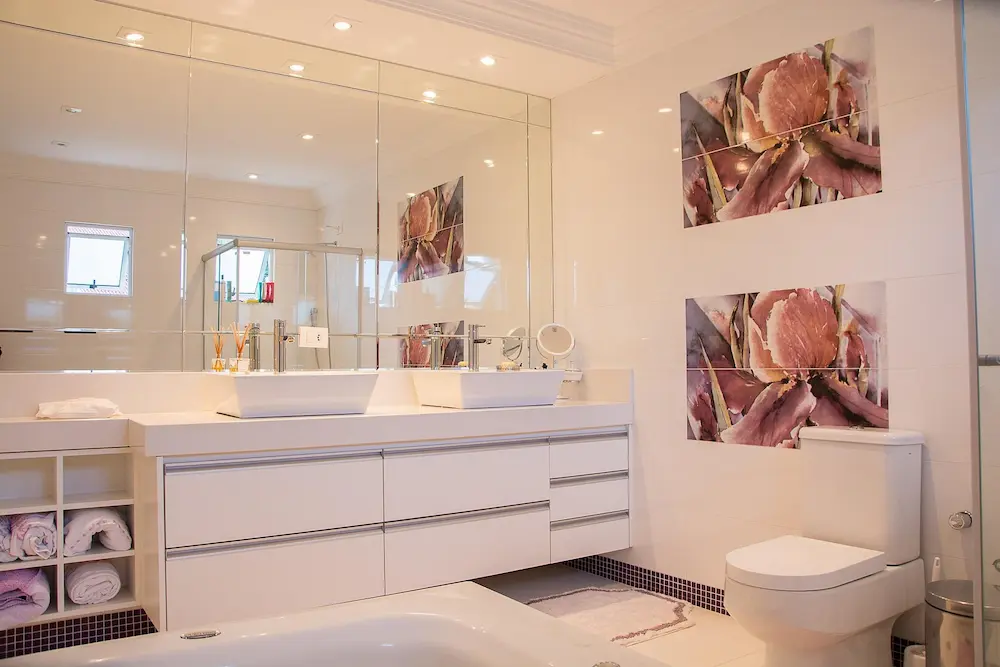
Design preferences across Westchester’s municipalities reflect the differences in housing stock and buyer expectations. What works in a Yonkers two-family is different from what fits a Scarsdale estate, and understanding those distinctions helps you renovate for your market.
In Yonkers, the most practical investments tend to be full bathroom replacements that modernize dated tile work, improve ventilation, and bring fixtures up to current efficiency standards. Subway tile, clean vanities with storage, and a proper frameless glass shower enclosure deliver strong results without over-improving for the neighborhood.
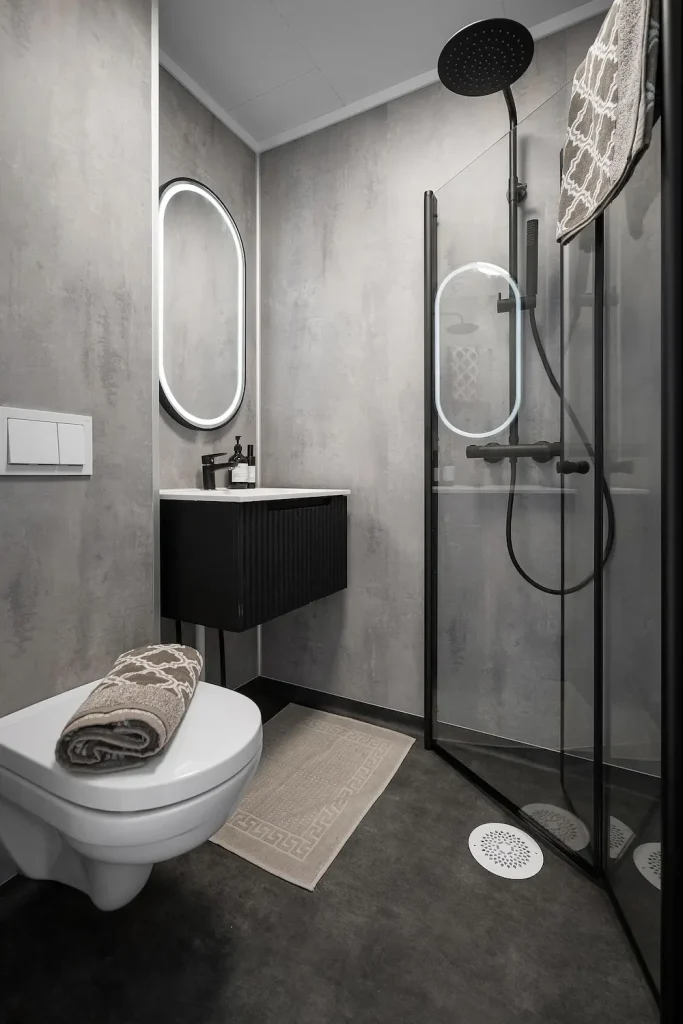
In White Plains, where the housing mix includes condos, co-ops, and single-family homes, bathroom renovations frequently focus on maximizing space efficiency. Floating vanities that open up floor space visually, recessed shower niches that eliminate clunky caddies, and well-placed lighting that makes smaller bathrooms feel larger are consistently in demand.
In Scarsdale and Bronxville, the expectation is higher. Heated tile floors are nearly standard in primary bath renovations. Large-format tile 24×48 or larger on shower walls is common. Freestanding soaking tubs, rainfall showerheads, custom double vanities with integrated lighting, and programmable thermostatic shower systems are the baseline for primary suite projects in these markets.
Bathroom Renovation in Westchester County: Permits and What They Actually Cover
Permits exist to protect you, not to create paperwork for its own sake. A bathroom renovation that involves plumbing changes, electrical work, or structural modifications requires permits in every Westchester municipality. That’s not optional, and the consequences of skipping them follow the property.
Here is why this matters at resale: when a buyer’s home inspector examines a renovated bathroom in White Plains and finds no permit record for the work, that’s a flag. The buyer’s attorney may require the seller to retroactively permit and inspect the work, which, if it doesn’t meet current code, could require opening walls and correcting them before closing. Alternatively, buyers negotiate a price reduction to account for the liability they’re absorbing.
A homeowner in White Plains who renovated their primary bath eight years ago without permits and now wants to sell faces a legitimate problem, one that costs money and delays closing. The permit fee on the original project would have been a fraction of what it costs to resolve the issue during a sale.
Each municipality handles permits differently:
- City of Yonkers: Building Department handles plumbing, electrical, and building permits. All three are typically required for a full bathroom renovation.
- City of White Plains: Building Department. Permit requirements vary by scope.
- Village of Scarsdale: Building and Planning Department. The village is thorough on inspections.
- Village of Bronxville: Village Building Department, with potential Architectural Review Board involvement for exterior-affecting work.
Your contractor should know your municipality’s current processing timelines and should pull permits before any demolition begins. If they suggest proceeding without permits, that’s a contractor problem, not a bureaucratic one.
What to Expect During a Westchester Bathroom Renovation: The Process
A well-managed bathroom renovation moves through predictable phases. Understanding the sequence helps you know what’s happening at each stage and how to evaluate whether work is on track.
Pre-construction (2–8 weeks before demo): Design finalization, material selections, permit applications, contractor scheduling. This phase takes longer than most homeowners anticipate, but it’s where problems are cheapest to solve. Every decision made on paper before demolition saves three decisions in the field.
Demolition (1–3 days): Existing tile, fixtures, vanity, and sometimes portions of drywall and subfloor come out. This is when discovered conditions become visible, such as moisture damage, outdated plumbing, and electrical issues. A thorough contractor documents what they find and brings you into the conversation before proceeding.
Rough work (1–2 weeks): New plumbing rough-in, electrical rough-in, and any structural modifications. This is when inspections happen on mechanical work before walls close. Don’t rush this phase; these are the systems that determine how the bathroom functions for the next 30 years.
Waterproofing and substrate (3–5 days): Cement board or waterproof membrane installation in wet areas. This is not the glamorous part of a bathroom renovation, but it’s the part that determines whether you’re doing this again in seven years. Cutting corners here is where cheap renovations fail.
Tile work (1–2 weeks): Floor tile, shower tile, wall tile. Duration depends on the complexity of the design and the size of the space. Large-format tile and custom patterns take longer.
Fixtures and finish work (1 week): Vanity installation, toilet, shower hardware, mirrors, lighting, and accessories. This is the visible transformation phase.
Final inspection and closeout: The building department inspects and closes the permit. Your contractor should provide documentation. This step is not optional.
Total timeline for a full bathroom renovation in Westchester: 4–8 weeks on-site, plus the pre-construction permit phase. Primary suite buildouts with custom tile and significant plumbing work can run 8–12 weeks.
Common Bathroom Renovation Challenges in Older Westchester Homes
The county’s housing stock creates specific conditions that anyone planning a bathroom renovation should understand before the project begins.
Moisture damage behind the original tile. Bathrooms in homes built before 1980 were often tiled directly over drywall, not cement board or waterproof membrane. Over the decades, grout cracks and caulk failures have allowed water infiltration that compromises the underlying structure. When the original tile comes off during demolition, the substrate behind it frequently needs replacement before new work can proceed. This is standard in older Westchester homes and should be priced into any honest bid as a contingency.
Galvanized supply lines. Galvanized pipes in pre-1960 homes corrode internally, reducing water pressure to a trickle and introducing rust particles into the water supply. A bathroom renovation that opens walls is the logical moment to replace these lines with copper or PEX. The cost to do it while the wall is open is a fraction of what it costs as a standalone plumbing project.
Cast-iron drain lines. Older drain connections can be incompatible with modern PVC fittings without adapters, and deteriorated cast iron may need section replacement rather than connection. An experienced plumber familiar with Westchester’s older housing stock will identify this during the initial walkthrough.
Low ceilings and tight configurations. Bathrooms in 1940s and 1950s Yonkers homes were often built to minimal dimensions, 5×7 or 5×8 feet, with ceiling heights that don’t accommodate modern recessed lighting without careful planning. Renovating within these constraints requires a contractor who understands how to make small spaces work well rather than simply transplanting a design from a larger room.
How to Choose the Right Bathroom Renovation Contractor in Westchester
The contractor you hire determines the outcome more than any other decision you make in this process. The tile you chose, the fixtures you paid for, the design you spent weeks refining, all of it depends on execution.
What to verify before signing:
- Valid NY HIC (Home Improvement Contractor) license verified through the NYS Division of Licensing Services, not the contractor’s word.
- General liability insurance and workers’ compensation certificates request the actual documents, not a verbal assurance.
- Specific experience in bathroom renovation in Westchester, not just general renovation work. Bathroom projects require coordinated plumbing, electrical, and tile expertise. A contractor who subcontracts all three without managing them closely produces inconsistent results.
- Familiarity with your municipality’s permit process and current timelines.
Questions to ask before signing:
- Who is on-site every day managing this project? Not the owner, the actual site supervisor.
- How do you handle discovered conditions like moisture damage or outdated plumbing? Walk me through the process.
- What does your change-order process look like? Do you require written approval before proceeding with additional work?
- Can you provide two or three references from bathroom projects with a similar scope and budget?
- What subcontractors do you use for plumbing and electrical, and have you worked with them on multiple projects?
Red flags that matter:
A bid significantly below the others 25% or more usually means something isn’t included. Ask the low bidder to walk through their line items against your specification. You’ll find what’s missing.
A contractor who suggests skipping permits or describes permits as “optional for this type of work” in Westchester is telling you something important about how they operate.
Vague answers about who specifically is on-site. The contractor who walks the project and the person who shows up each morning are often different people. Know who you’re actually hiring.
Our bathroom renovation Westchester team handles bathroom projects across the county from focused cosmetic updates to full primary suite buildouts. You can also view all our renovation services or see our completed projects before reaching out.
Bathroom Renovation and Property Value in Westchester
The relationship between bathroom renovation and resale value in Westchester is direct, but it’s worth describing accurately rather than citing statistics that don’t account for local market conditions.
Buyers in Westchester’s $700,000 to $2,000,000 price range, the core of the county’s single-family market, inspect bathrooms closely. An original 1970s bathroom with pink tile, a low toilet, and a single-bulb vanity light doesn’t just look dated; it signals to buyers that the home hasn’t been maintained at a level consistent with the asking price. In a competitive market, that perception affects offers.
A renovated primary bath signals the opposite. It tells buyers that the home has been invested in, that the systems they’re inheriting are functional, and that they won’t need to address this project themselves in the first year of ownership. In a market where buyers are paying Westchester prices, that signal carries real weight.
The nuance is calibration. A $150,000 custom primary bath renovation in a Yonkers neighborhood where comparable homes sell for $550,000 may not recover its cost at resale. The same investment in Scarsdale, where comparable homes trade at $1.6 million, is a different calculation. Bathroom renovation costs in Yonkers and surrounding areas should be calibrated to neighborhood market ceilings, not to what’s technically possible.
What consistently holds value in this market: renovations that bring bathrooms up to the standard expected for the home’s price point. Not necessarily the most expensive finish, but the right finish for the market.
Bathroom Renovation Planning Checklist for Westchester Homeowners
Before any contractor sets foot in your home, work through this list.
Before you start:
- Clarify your goal: daily comfort, resale preparation, or both. This affects scope and material decisions.
- Determine whether you’re doing a cosmetic refresh or a full renovation. Know which category before you ask for bids.
- Research your municipality’s permit requirements for bathroom work involving plumbing and electrical changes.
- Check for any open permits on the property; inherited permit issues become your problem.
- Set a budget with a 10–15% contingency built in, especially for pre-1980 homes.
When selecting a contractor:
- Verify the NY HIC license through the NYS Division of Licensing Services.
- Request and review insurance certificates, not verbal confirmation.
- Get at least three written bids based on the same detailed specification.
- Call references from comparable bathroom projects specifically.
- Confirm the contractor has pulled permits in your municipality recently.
Before construction begins:
- Finalize all tile selections, fixture choices, and hardware before demolition starts.
- Confirm permits are approved and posted before any work begins.
- Establish a written change-order process with no verbal approvals for additional cost or scope.
- Plan for bathroom access during construction, particularly relevant for single-bathroom homes.
At project completion:
- Request documentation confirming all permits are inspected and closed.
- Complete a formal walkthrough with your contractor before final payment.
- Keep copies of all permits, warranties, and contractor contact information for future reference and resale.
Get Your Free Bathroom Renovation Estimate in Westchester County
A bathroom renovation in Westchester County is a meaningful investment in daily quality of life, in your home’s long-term condition, and in its market value when you eventually sell. The difference between a project that delivers on all three and one that falls short usually comes down to planning, the right contractor, and realistic expectations about what the process involves.
We work with homeowners across Yonkers, White Plains, Scarsdale, Bronxville, Tarrytown, and the surrounding areas of Westchester County. Whether you’re planning a focused bathroom update or a full primary suite renovation, we start every project with a candid conversation about scope, timeline, and budget before any commitment is made.
Get your free bathroom renovation estimate today — and if you’d like to explore the full range of what we handle, view all our renovation services or see our completed projects.
Frequently Asked Questions
How much does a bathroom renovation cost in Westchester County, NY?
Costs vary by project scope and location within the county. A cosmetic refresh in Yonkers starts around $12,000–$22,000. A full bathroom renovation in White Plains typically runs $32,000–$60,000. Primary bath buildouts in Scarsdale range from $65,000 to $175,000 or more, depending on finishes and configuration. Always add 10–15% contingency for homes built before 1980, as discovered conditions, such as moisture damage, outdated plumbing, and deteriorated substrates, are common and add to project cost.
Do I need a permit for a bathroom renovation in Westchester?
Yes, for any renovation that involves plumbing changes, electrical work, or structural modifications. That covers the majority of full bathroom renovations. Each municipality, Yonkers, White Plains, Scarsdale, and Bronxville, has its own building department and process. Unpermitted work creates problems at resale, affects legal square footage calculations, and can require costly remediation if discovered by a buyer’s inspector.
How long does a bathroom renovation take in Westchester?
A cosmetic refresh without plumbing relocation takes 2–4 weeks on-site. A full bathroom renovation typically runs 4–8 weeks from demolition to final inspection. A primary suite buildout with custom tile and significant plumbing reconfiguration can take 8–12 weeks. Add the pre-construction permit approval phase, typically 3–8 weeks, depending on your municipality, to get a realistic total timeline from project start to move-in.
What bathroom features add the most value in Westchester homes?
In Westchester’s mid-to-upper price range, buyers expect updated tile work, functional ventilation, modern fixtures, and a primary bath that reflects the home’s price point. Heated tile floors, frameless glass shower enclosures, and double vanities are increasingly standard in Scarsdale and Bronxville. In Yonkers and White Plains, clean modern finishes, efficient layouts, and proper waterproofing deliver strong results without over-improving for the immediate market.
What are the most common bathroom renovation surprises in Westchester homes?
Moisture damage behind original tile in pre-1980 homes is the most commonly discovered condition. Galvanized supply lines with reduced flow, cast-iron drain connections requiring adaptation, and undersized electrical circuits that need upgrading for modern fixtures are also frequent. A well-managed project anticipates these possibilities through a contingency budget rather than being derailed by them.
Should I renovate my bathroom before selling my home in Westchester?
It depends on the current condition of the bathroom and your home’s price range. In Westchester’s competitive market, a badly dated primary bath can genuinely affect both offers received and time on market. A targeted renovation that brings the bathroom up to the standard expected for your price point typically pays for itself in buyer perception — if not always dollar-for-dollar at closing. A real estate agent familiar with your specific neighborhood can give you the most accurate guidance on what buyers currently expect at your price point.
How do I find a reliable bathroom renovation contractor in Westchester?
Verify a valid NY HIC license, request insurance certificates, and get written bids based on a detailed specification rather than a general description of the project. Call references from comparable bathroom projects — not just general renovation work. Confirm the contractor has specific experience with your municipality’s permit process. Be cautious of any contractor who suggests skipping permits or who can’t clearly explain how they handle discovered conditions during demolition.