
Home Restoration vs Renovation: What’s the Difference?
Serving Yonkers and all of Westchester County
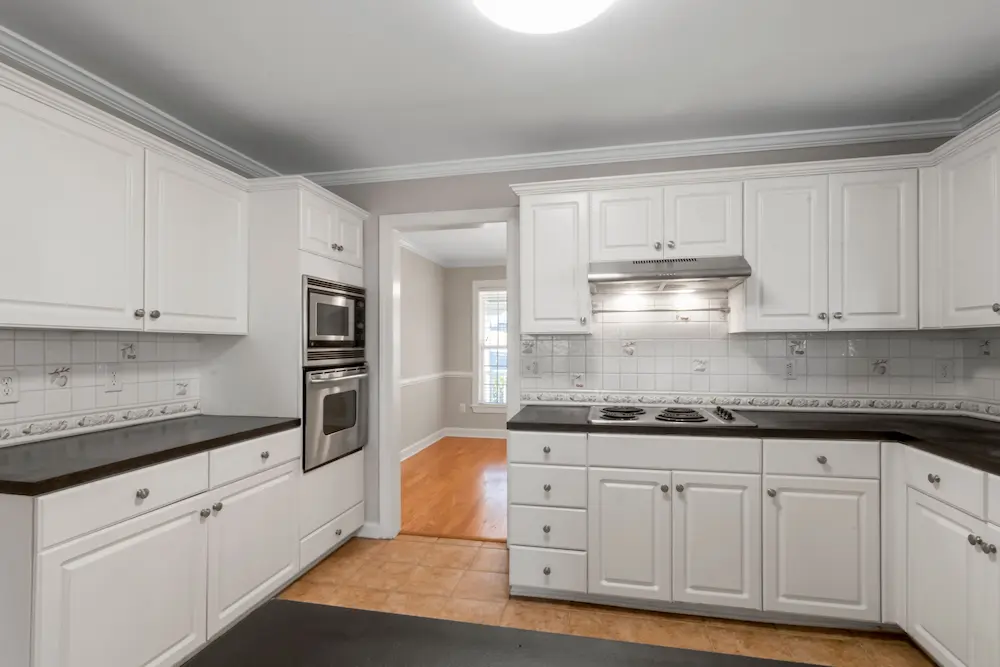
If you own an older or historic home anywhere in Westchester County, you’ll eventually run into this question: should you restore it or renovate it? The terms get used interchangeably, but they describe genuinely different approaches with different costs, timelines, and outcomes.
What Restoration Actually Means
Restoration is about preservation. The goal is returning a property to its original condition, or its condition at a specific point in its history, using materials and techniques that closely resemble what was originally used. One of the core principles of restoration is preserving as much of the original material, sometimes called the building’s “fabric,” as possible rather than replacing it.
What Renovation Actually Means
Renovation is about transformation. It means renewing a home by fixing what’s there and often adding new components, upgrading systems, modernizing layouts, or improving energy efficiency. Unlike restoration, renovation allows for real design flexibility, opening up floor plans, adding modern amenities, or changing the interior style entirely.
Key Differences at a Glance
| Factor | Restoration | Renovation |
|---|---|---|
| Goal | Preserve original condition | Update and transform |
| Design flexibility | Limited, matches original | High, your choice of style and layout |
| Materials | Match original as closely as possible | Modern materials, your choice |
| Typical cost | Often lower, repairing vs replacing | Higher, especially with structural changes |
When Restoration Makes Sense
- Your home has historic or architectural significance worth preserving, common in parts of Tarrytown, Bronxville, and Chappaqua
- Original details like moldings, built-ins, or hardwood floors are in good enough condition to repair rather than replace
- You want to maintain the home’s character and resale appeal to buyers specifically drawn to older homes
- Your property may fall under local historic preservation guidelines that limit what can be changed
When Renovation Makes More Sense
- The home’s layout doesn’t work for how you actually live, and preserving the original floor plan isn’t a priority
- Systems (plumbing, electrical, HVAC) need full modern replacement rather than repair
- You want visibly modern finishes and open-concept spaces rather than a period-accurate look
- Original materials are too damaged or deteriorated to reasonably repair
A Blended Approach
Many Westchester homeowners land somewhere in between: renovating for modern function while restoring specific original details worth preserving. This is a common approach in older Westchester towns, where a homeowner might update kitchen and bathroom systems entirely (renovation) while carefully preserving original moldings, doors, or hardwood flooring elsewhere in the home (restoration). Renovations in older Hudson Valley homes have turned up original wood flooring hidden under decades-old carpet more than once, worth uncovering and restoring rather than covering over again with something new.
Cost Comparison
Restoration can be more budget-friendly than renovation for a given room or feature, since you’re repairing existing materials rather than sourcing and installing all-new ones. That said, specialized restoration work (matching historic millwork, repairing plaster, sourcing period-appropriate materials) can require skilled trades that cost more per hour than standard renovation labor. The real cost comparison depends heavily on the specific project and how much original material is salvageable versus how much needs full replacement.
A Note on “Restoration” After Damage
The word “restoration” also gets used for a different situation entirely: repairing a home after fire, water, or storm damage. That kind of restoration work typically falls under a homeowner’s insurance claim and involves specialized damage mitigation, drying, and repair, which is a different service than the preservation-focused restoration described above. If you’re dealing with storm or water damage, that’s usually an insurance-driven repair process rather than a planned preservation or renovation project, and it’s worth clarifying which kind of “restoration” you actually need before requesting quotes.
Historic Considerations in Westchester
Some Westchester properties, particularly older homes in villages like Tarrytown, Bronxville, and Chappaqua, may fall under local historic district guidelines that affect what changes are allowed, especially to exteriors. It’s worth confirming your property’s status before finalizing a plan, since restoration-appropriate materials and methods may be required for some or all of a project regardless of your own preference for a more modern renovation approach.
Getting Started
Whether restoration, renovation, or a blend of both makes sense depends on your home’s condition, your goals, and whether preservation matters to you or to your property’s value. An in-person assessment is the best way to figure out which original elements are worth preserving and which parts of your home would benefit more from a full update.
Not sure whether to restore or renovate?
Reach out for a free, no-obligation consultation. We’ll assess your home and give you an honest recommendation based on its condition and your goals.